How Tree Roots Damage Your Foundation
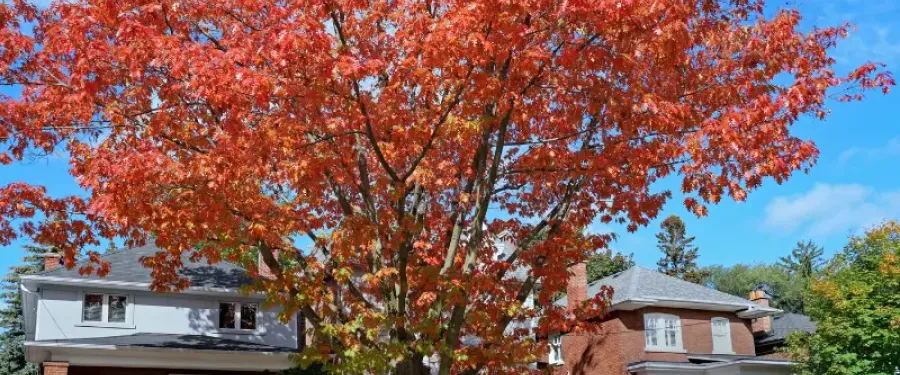
Memphis is a city of trees, and they’re part of what makes the Mid-South feel like home. But, some of the most beloved trees in our neighborhoods are also some of the biggest threats to our home’s foundations.
At American Standard Foundation Repair, we are full-service foundation experts. Tree roots can cause foundation damage, and we see the effects of tree root intrusion regularly across Memphis and the surrounding Mid-South region. Understanding how roots interact with your soil and your foundation is one of the most important steps you can take to protect your home’s long-term structural health.
How Tree Roots Actually Damage Foundations
There is a common misconception that tree roots physically punch through concrete slabs and foundation walls. In most cases, that is not how the damage happens.
Soil and Settlement
The most common reason for root-related foundation damage is soil desiccation, which is the process by which tree roots draw large volumes of moisture out of the surrounding soil. On a hot Memphis summer day, a single mature oak can pull hundreds of gallons of water from the ground. When that moisture is removed from the soil, the soil shrinks and pulls away from the structure it was supporting.
This creates voids and empty pockets beneath your foundation. Your home is heavy, and when the soil beneath it contracts unevenly, the foundation begins to settle, often at different rates in different areas. This uneven movement is one of the leading causes of foundation failure in residential homes.
Roots Go Further Than You Think
Most homeowners assume that a tree’s root system mirrors the size of the tree above ground. In reality, root systems routinely extend two to three times the width of a tree’s canopy. A tree with a 40-foot canopy could have roots spreading 80 feet or more underground. That means a tree you planted what seems like a safe distance from your home may have roots well under your foundation already.
For trees with aggressive, shallow root systems (willows, silver maples, and poplars are among the most commonly cited offenders) that risk is even higher. Direct root contact with foundation walls can also cause cracking over time as roots expand and exert pressure.
Signs That Tree Roots May Be Affecting Your Foundation
Root-related foundation problems don’t appear overnight. They develop gradually, which is why early recognition matters. Watch for the following warning signs:
- Cracks in walls, floors, or the foundation itself: New or widening cracks near exterior walls, in basement floors, or along interior drywall (especially near corners of windows and doors) can indicate foundation movement beneath.
- Doors and windows that stick or no longer close properly: As a foundation shifts unevenly, door and window frames can rack slightly out of square, making them difficult to open or close smoothly.
- Uneven or sloping floors: If floors that were once level begin to feel like they pitch or dip in certain areas, uneven settlement is likely at work.
- Visible roots near the foundation: Surface roots growing close to the home are not just a tripping hazard. They are a sign of root activity that extends well beneath the soil surface.
- Moisture and pest activity in the crawl space: Roots that infiltrate crawl space walls or floors through existing cracks can introduce moisture, mold, and even create entry points for termites or rodents.
Solutions to Prevent Foundation Damage from Tree Roots
If you have mature trees growing close to your home, the answer is not necessarily removal. Proper root management can protect both your foundation and your trees.
Professional Root Barrier Installation
Root barriers are underground panels (typically made of high-density polyethylene, fiberglass, or metal) installed vertically in the soil to redirect root growth downward and away from your foundation. When properly installed, they create a buffer zone that prevents roots from reaching the area directly beneath and around your foundation walls.
Keep in mind, root barrier installation requires a thorough assessment of soil conditions, the tree’s root spread, and the vulnerabilities of your foundation. Barriers that are too shallow, too short, or installed without accounting for regional soil behavior provide little real protection.
Recommended Planting Distances
For homeowners adding new trees, following recommended planting distances is the most effective prevention available. A general rule of thumb is to plant trees at least as far from your home as the tree’s expected mature height. For species known for aggressive root systems, a distance of 25 to 50 feet is a much safer target.
Trees planted too close to patios, driveways, and sidewalks also cause significant problems over time, as lifting and cracking of concrete can be a precursor to broader foundation disruption.
Call American Standard Foundation Repair for Root Barrier Solutions
If you notice any of the warning signs of tree root foundation damage, it is important to have the property assessed by an experienced foundation professional before the situation worsens. Delayed intervention allows differential settlement to progress, leading to escalating repair costs and, in serious cases, compromised structural safety.
American Standard Foundation Repair offers free estimates and thorough on-site inspections. Our team understands the regional soil conditions specific to Memphis and the broader Mid-South, and we offer root barrier solutions tailored to the unique demands of this environment.
The Foundation Experts for Tree Roots and Foundation Damage
American Standard Foundation Repair is proud to serve homeowners in Memphis, TN. We also serve Nashville, TN, Knoxville, TN, and Northwest Arkansas. Wherever you are in the Mid-South region, our team brings the same standard of certified expertise and locally informed problem-solving to every inspection and repair.
If you have a large tree near your home and want to know whether your foundation is at risk, contact us today for a free estimate.