Signs Your Crawl Space May Have Mold
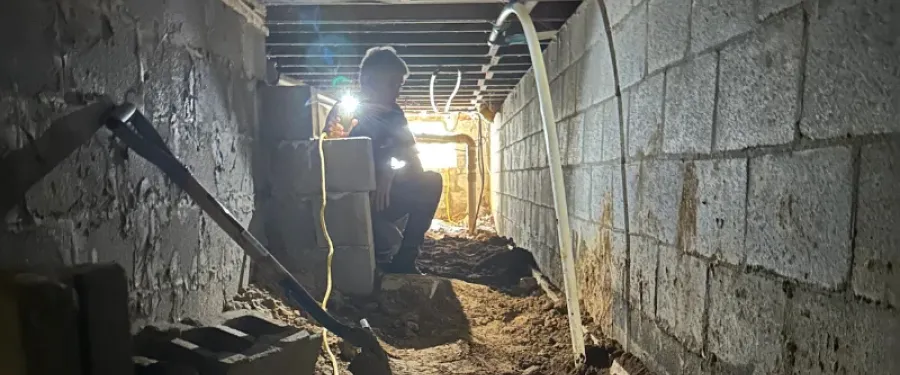
Most homeowners rarely think about their crawl space, yet it plays a critical role in the health and stability of the entire home. Because crawl spaces are dark, humid, and often poorly ventilated, they create an ideal environment for mold growth. When mold develops below your home, it does not stay confined to that space. It can impact your indoor air quality, structural safety, and even your family’s health. Recognizing the warning signs early allows homeowners to address issues through professional crawl space repair before damage spreads.
Warning Signs of Crawl Space Mold
Persistent Musty Odors
One of the most common indicators of crawl space mold is a persistent musty odor inside the home. This smell is often strongest near floors or in rooms directly above the crawl space. Many homeowners notice it first thing in the morning or after returning home from being away. These odors occur because mold releases microscopic spores and gases that move upward into living areas through natural air flow and HVAC systems.
Declining Indoor Air Quality and Health Symptoms
Changes in indoor air quality are another red flag. Mold spores circulating from the crawl space can trigger allergy-like symptoms such as coughing, sneezing, sinus congestion, headaches, and itchy eyes. For individuals with asthma or respiratory conditions, these symptoms may become more severe. If health issues improve when you leave the home and return when you come back, your crawl space may be contributing to the problem.
Excess Moisture and Humidity
Excess moisture is the root cause of most crawl space mold issues. If your home experiences high indoor humidity, condensation on windows, or damp flooring, moisture may be entering the crawl space. Standing water, plumbing leaks, poor drainage, or exposed soil all introduce moisture that feeds mold growth. Over time, this creates conditions that demand professional crawl space repair to restore a healthy environment beneath the home.
Visible Mold Growth
Visible mold is an obvious but often late-stage sign. Mold can appear in many forms, including black, green, white, or gray patches on floor joists, insulation, support beams, or crawl space walls. Sometimes it looks fuzzy, while other times it appears as dark staining. Because crawl spaces are difficult to access, visible mold often indicates that the problem has been developing for quite some time.
Structural Changes and Floor Issues
Structural warning signs inside the home may also point to mold in the crawl space. Mold thrives on organic materials such as wood, and prolonged moisture exposure can lead to wood rot and deterioration. Floors that feel soft, uneven, or bouncy may be reacting to compromised support structures below. Baseboards pulling away from walls or sagging floors are often symptoms of deeper crawl space issues that require immediate crawl space repair.
Increased Pest Activity
Pest activity can also be a clue. Moist crawl spaces attract termites, ants, rodents, and other pests that thrive in damp conditions. These pests often worsen mold problems by spreading spores and creating additional moisture pathways. An increase in insects or rodents may indicate that the crawl space environment is unhealthy and in need of professional intervention.
Unexplained Energy Cost Increases
Rising energy bills are another overlooked symptom. When insulation becomes damp or mold-damaged, it loses its effectiveness. Moist air is harder to heat and cool, forcing HVAC systems to work harder year-round. Crawl space repair that includes moisture control can improve energy efficiency while protecting the home from further damage.
The Risks of Delaying Crawl Space Repair
Ignoring crawl space mold allows problems to escalate. Structural wood weakened by moisture and mold can lose its load-bearing capacity over time. Plumbing lines beneath the home may corrode or shift, increasing the risk of leaks. Mold spores continue circulating throughout the home, reducing indoor air quality and potentially affecting long-term health.
Professional Crawl Space Repair Solutions
Addressing the Root Causes
Effective crawl space repair focuses on more than surface mold removal. It addresses the underlying causes of moisture intrusion. Poor drainage around the foundation, clogged gutters, improper grading, and inadequate ventilation all contribute to moisture buildup. Without correcting these issues, mold is likely to return even after cleaning.
Long-Term Protection with Crawl Space Encapsulation
Crawl space encapsulation is one of the most effective long-term solutions for preventing mold. This process involves sealing the crawl space with a durable moisture barrier along the floor and walls, closing vents that allow humid air to enter, and creating a controlled environment beneath the home. Crawl space encapsulation helps regulate humidity levels, prevents ground moisture from entering, and protects structural components from long-term exposure.
Prevention and Early Action
Prevention is always less costly than repair. Regularly checking for moisture issues, maintaining proper drainage, and addressing small concerns quickly can prevent mold from taking hold. However, once mold is present, delaying crawl space repair allows damage to spread unseen.
Protect Your Home and Health
Your crawl space may be out of sight, but it directly affects the comfort, safety, and value of your home. Musty odors, health symptoms, moisture issues, and structural changes are all warning signs that should not be ignored. Addressing crawl space mold through professional crawl space repair and crawl space encapsulation protects your investment and creates a healthier living environment for your family.
Taking action early ensures your home remains stable, energy-efficient, and free from the long-term consequences of mold growth. A clean, dry crawl space is the foundation of a healthy home. Get in touch with American Standard Foundation Repair today to schedule your crawl space inspection.